

If you are looking for information on the Logan Farms Honey Glazed Ham franchise business opportunity, Logan Farms Ham franchises or Logan Farms franchising, then you have come to the right place.
Logan Farms is a growing family of franchise stores specializing in the retail sale of spiral sliced, honey glazed, fully cooked hams and complemented by the sale of a variety of other specialty meat products including the Logan Farms own patented spiral-sliced, honey-glazed boneless turkey breast. The consumer who's fast-paced life-style demands convenience without sacrificing true gourmet quality ... the consumer who understands the importance of a healthy approach to eating without sacrificing taste - this is the Logan Farms Honey Glazed Ham customer!
 The overwhelming popularity of the Logan Farms Honey Glazed Ham is most fully appreciated during the seasonal holiday periods of Thanksgiving, Christmas and Easter. It is during these times when your customers are literally "in lines out the door" waiting to purchase their half and whole hams and other specially prepared gourmet meats for their family dinners, holiday parties, and for individual and corporate gift giving. The Logan Farms franchise enjoys the highest level of sales volume during these seasonal periods.
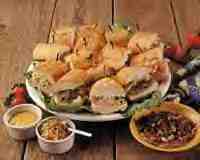
Although not to be compared to the extreme peak in sales volume at holiday times, sales during "off-season" in the Logan Farms Franchise are supported during spring and summer with sandwiches, lunches, and corporate catering of special events.
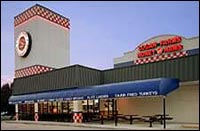
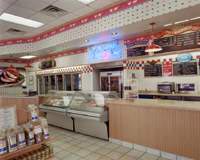 Logan Farms franchises will be located in primary market areas encompassing an approximate population of 200,000. A city's size dictates the store's size from 2,000 to 2,500 square feet. Guidelines for good site selection are shopping center locations (not covered malls) with good visibility, easy access and high traffic generated by a stable anchor store such as a large grocery chain.
Logan Farms Honey Glazed Hams is a food related franchise. While most other food franchises are typically open 7 days a week , 12 to 24 hours a day, with 30 employees required for operation, Logan Farms franchises are open only 8 hours a day from 10:00 a.m. to 6:00 p.m., 6 days a week, and require only 4 to 5 employees throughout the year. Extra personnel are only added during the peak holiday period.
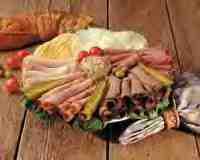 There is no "cooking" of the specialty meat products on site. The hams and most of the specialty meat products are delivered to your door fully cooked from USDA smokehouses. The ham and the turkey breasts are then spiral sliced and honey glazed at the retail location.
Logan Farms Honey Glazed Hams is a simple, clean operation whose customer base is a pleasure to serve and includes the "upwardly mobile" retail customer as well as a large pool of corporate clients.
The information presented may have changed since first published. We recommend that you always verify fees, investment amounts and offers with the business opportunity directly prior to making a decision to invest.
1. What training and ongoing support do you provide?
You want to know what happens after you pay the initial fee. A strong franchisor provides comprehensive pre-opening training, site-selection help, operational playbooks, and continuous assistance with marketing, technology, and supply chains.
2. What is the total initial investment, and did actual startup costs match the estimates in Item 7 of the FDD?
The Franchise Disclosure Document (FDD) lists estimated startup costs in Item 7, but real-world expenses can run higher. Asking how closely current owners tracked to these estimates reveals if you need extra working capital or if hidden fees exist.
3. How do royalties and local/national marketing fees impact profitability?
You need to understand ongoing financial obligations-such as monthly royalty percentages and ad fund contributions-and evaluate whether the brand value and support justify cutting into your profit margins.
4. What are the common challenges new franchisees face, and how do you help them overcome them?
Transparent franchisors will openly discuss real hurdles like local competition, tight labor markets, or supply chain bottlenecks, and show you the exact playbook or field support they offer to solve them as well as allowing you to speak with other franchisees.
5. How many franchise locations have closed or left the system in the past few years, and why?
High turnover, store closures, or quiet franchise exits are major red flags. This question measures system stability, territory health, and whether the corporate team addresses struggling owners or lets them fail.

 Food and Beverage Franchises