

If you are looking for information on the Heidi's Brooklyn Deli franchise business opportunity, Heidi's Brooklyn Deli and Bagel franchises or Heidi's Brooklyn Deli franchising, then you have come to the right place.
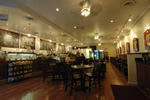
What began as a small, neighborhood corner ice cream parlor has evolved into a full-fledged deli. Started by a couple of Brooklyn transplants looking for the flavors of home, this deli comes with a heavy dose of New York flavor and a bit of New York attitude. Naked bagels are a mere $.89 apiece, or start with the Brooklyn Breakfast sandwich, piled with cheese, eggs and a choice of meat. The deli also has 31 sandwiches, including meatloaf, and in true New York fashion sells Sabrett hot dogs. There are also an array of desserts, and a full selection of coffee and espresso drinks.
 Heidi's History
Started as a bagel and Ice cream store in a small 1400 sq. ft space in a 100-year-old building in Denver Colorado, Heidi's "Bagels and Ice Cream," later named "Heidi's Brooklyn Deli," was opened September 9th 1994.
Heidi and Steve Naples came to Colorado from Brooklyn New York in search of a place that would feed their spirit. They never knew that while Denver was a great place to feed their spirit, feeding their stomachs was a whole different smear of cream cheese.
Steve found himself raising money selling television commercial time for the ABC affiliate, while Heidi was raising their two small girls. After five years of being surrounded with fast food chains and "kind of" Deli food, Steve and Heidi took the plunge. And with a small second mortgage on their 105-year-old fixer upper, they opened their first store.
At the same time Steve and Heidi were opening "Heidi's Bagels and Ice cream" Steve also continued to support the family by selling Television airtime. This was until he found himself too busy ordering deli meats from the TV station. He knew if he didn't make a decision, he too would be dead meat. So, with no money in the bank, but customers at the store door, he quit. This decision cut his income more than in half. He lost the expensive suits as well as the expense accounts and started smearing cream cheese in a big way. No problem, they figured, they could eat and sleep at the store if things didn't work out.
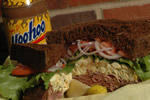 Luckily it all worked out, and Heidi's Bagels and Ice cream grew from a 1400 sq. ft shop, selling only bagels and Ice Cream and a few sandwiches, to an almost 4000 sq. ft full deli. Selling over 35 different killer sandwiches on fresh baked bread, hot foods, desserts and of course fresh baked bagels and 32 flavors of ice cream, Heidi's Brooklyn Deli was born in the summer of 1997.
In one month from being a bagel and ice cream store to a full deli, Heidi's gross receipts doubled.
In May of 1999 a second Heidi's Brooklyn Deli was born in a northern suburb of Denver called Northglenn, Colorado. This additional store has surpassed every expectation almost matching the first store's revenue in its first month of operation.
Still today Heidi and Steve Naples, and their over growing staff, work hard everyday to bring a real, true deli experience to the West. While Steve and Heidi are the only owners of the concept, they are presently granting a limited number of franchises across the country.
The information presented may have changed since first published. We recommend that you always verify fees, investment amounts and offers with the business opportunity directly prior to making a decision to invest.
1. What training and ongoing support do you provide?
You want to know what happens after you pay the initial fee. A strong franchisor provides comprehensive pre-opening training, site-selection help, operational playbooks, and continuous assistance with marketing, technology, and supply chains.
2. What is the total initial investment, and did actual startup costs match the estimates in Item 7 of the FDD?
The Franchise Disclosure Document (FDD) lists estimated startup costs in Item 7, but real-world expenses can run higher. Asking how closely current owners tracked to these estimates reveals if you need extra working capital or if hidden fees exist.
3. How do royalties and local/national marketing fees impact profitability?
You need to understand ongoing financial obligations-such as monthly royalty percentages and ad fund contributions-and evaluate whether the brand value and support justify cutting into your profit margins.
4. What are the common challenges new franchisees face, and how do you help them overcome them?
Transparent franchisors will openly discuss real hurdles like local competition, tight labor markets, or supply chain bottlenecks, and show you the exact playbook or field support they offer to solve them as well as allowing you to speak with other franchisees.
5. How many franchise locations have closed or left the system in the past few years, and why?
High turnover, store closures, or quiet franchise exits are major red flags. This question measures system stability, territory health, and whether the corporate team addresses struggling owners or lets them fail.

 Food and Beverage Franchises