

If you are looking for information on the Energy Kitchen franchise business opportunity, Energy Kitchen franchises or Energy Kitchen franchising, then you have come to the right place.

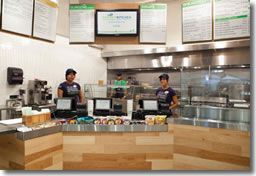
 Energy Kitchen was created with the belief that you shouldn't have to compromise health or taste when it comes to fast food. Eating great tasting healthy meals on the go should be easy, which is why nothing on our menu is over 500 calories and everything is grilled, baked or steamed, never fried.
We've stayed true to our recipe for success - serving up nutritious and convenient meals and providing low-calorie, low fat, tasty eats with a wide variety of meal options. We've raised the bar with fresh salads, wraps, burgers, sandwiches, smoothies and only low calorie beverages.
And because we know that all calories are not created equal, we've created lean, delicious meal options to keep you energized. Our guilt-free ordering leaves you with one less thing to worry about so now you can enjoy a burger without looking like a whopper.
Energy Kitchen is the innovator and leader in the 'healthy fast casual dining' category. We've redefined 'fast food' with complete transparency in our cooking methods, calorie counts and nutritional information.
There Is No Better Time To "GO HEALTHY"
As An Energy Kitchen Franchisee!
When you join the Energy Kitchen family we'll add all the right ingredients to make your stores successful. You'll be working with passionate professionals with extensive brand building, culinary and operational experience in all facets of the food service field.

The information presented may have changed since first published. We recommend that you always verify fees, investment amounts and offers with the business opportunity directly prior to making a decision to invest.
1. What training and ongoing support do you provide?
You want to know what happens after you pay the initial fee. A strong franchisor provides comprehensive pre-opening training, site-selection help, operational playbooks, and continuous assistance with marketing, technology, and supply chains.
2. What is the total initial investment, and did actual startup costs match the estimates in Item 7 of the FDD?
The Franchise Disclosure Document (FDD) lists estimated startup costs in Item 7, but real-world expenses can run higher. Asking how closely current owners tracked to these estimates reveals if you need extra working capital or if hidden fees exist.
3. How do royalties and local/national marketing fees impact profitability?
You need to understand ongoing financial obligations-such as monthly royalty percentages and ad fund contributions-and evaluate whether the brand value and support justify cutting into your profit margins.
4. What are the common challenges new franchisees face, and how do you help them overcome them?
Transparent franchisors will openly discuss real hurdles like local competition, tight labor markets, or supply chain bottlenecks, and show you the exact playbook or field support they offer to solve them as well as allowing you to speak with other franchisees.
5. How many franchise locations have closed or left the system in the past few years, and why?
High turnover, store closures, or quiet franchise exits are major red flags. This question measures system stability, territory health, and whether the corporate team addresses struggling owners or lets them fail.

 Food and Beverage Franchises