

If you are looking for information on the Remote Control Hobbies franchise business opportunity, Radio Control Hobbies franchises or Remote Control models franchising, then you have come to the right place.

Established in 2003, Remote Control Hobbies offer a specialized product line of remote control hobbies. Core products include cars, trucks, airplanes, helicopters, boats and a comprehensive inventory of parts and accessories. These high-end products are sport to professional grade hobbies and include fully repairable componentry with upgrade options. 80% of store retail traffic is repeat business and incremental business grows rapidly through the first 3 years of business.

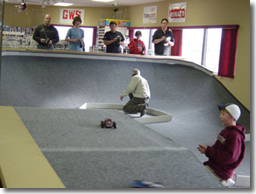
Remote Control Hobby stores support weekly hobby activities at or close to the retail store. Some stores have an area inside the store dedicated to daily/weekly remote control activities including remote control car races. Most retail stores secure parking lot space over the weekend for outdoor hobby activities.
This specialty hobbies franchise retailer is a destination location typically drawing customers from a 50 mile store radius. There are no other hobby store franchise opportunities focused on this specialty niche of deep R/C inventory and technical expertise. Remote Control Hobbies are seeing significant growth and recognition in all age and income demographics due to ease of use, technology advancements and club/affinity group activity.
 Name Recognition
We offer a complete training program and on-site training. Our training at the corporate Remote Control Hobbies store & office will familiarize you with all normal operations of a Remote Control Hobbies® franchise. Our field manager will work with you in your store to further help you become comfortable with day-to-day operations.
 An Operations Manual
Our support team works with you to analyze your sales and purchases to help you better operate your hobbies franchise. Our accounting team supplies you with computer reports showing your monthly sales, sales of each product category, and monthly inventory turns. We then analyze your sales with those of other stores, along with your previous year's sales and how each category did in relation to the other categories and total dollar sales.
The information presented may have changed since first published. We recommend that you always verify fees, investment amounts and offers with the business opportunity directly prior to making a decision to invest.
1. What training and ongoing support do you provide?
You want to know what happens after you pay the initial fee. A strong franchisor provides comprehensive pre-opening training, site-selection help, operational playbooks, and continuous assistance with marketing, technology, and supply chains.
2. What is the total initial investment, and did actual startup costs match the estimates in Item 7 of the FDD?
The Franchise Disclosure Document (FDD) lists estimated startup costs in Item 7, but real-world expenses can run higher. Asking how closely current owners tracked to these estimates reveals if you need extra working capital or if hidden fees exist.
3. How do royalties and local/national marketing fees impact profitability?
You need to understand ongoing financial obligations-such as monthly royalty percentages and ad fund contributions-and evaluate whether the brand value and support justify cutting into your profit margins.
4. What are the common challenges new franchisees face, and how do you help them overcome them?
Transparent franchisors will openly discuss real hurdles like local competition, tight labor markets, or supply chain bottlenecks, and show you the exact playbook or field support they offer to solve them as well as allowing you to speak with other franchisees.
5. How many franchise locations have closed or left the system in the past few years, and why?
High turnover, store closures, or quiet franchise exits are major red flags. This question measures system stability, territory health, and whether the corporate team addresses struggling owners or lets them fail.

