

If you are looking for information on the Hyatt franchise business opportunity, Hyatt Regency franchises or Hyatt Resorts franchising, then you have come to the right place.

Global Hyatt Corporation, headquartered in Chicago, is one of the world's premier hotel companies. The hotels owned, operated, managed or franchised by its subsidiaries provide authentic hospitality to guests in 45 countries through a passionate commitment to personalized service, cultural relevance, and the environment. Global Hyatt subsidiaries own, operate, manage or franchise more than 365 hotels and resorts worldwide under the Hyatt®, Hyatt Regency®, Hyatt Resorts™, Grand Hyatt®, Park Hyatt®, Hyatt Place®, Hyatt Summerfield Suites® and Andaz™ brands with additional properties under development on five continents. Global Hyatt Corporation is also the owner of Hyatt Vacation Ownership, Inc., operator of Hyatt Vacation Club®. The success of Global Hyatt is driven by the commitment and energy of the thousands of men and women around the world who provide exceptional service to hotel guests.
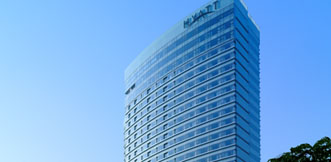
Celebrating more than 50 years of history, Global Hyatt Corporation's well-established reputation as an industry innovator provides a wealth of inspiration as the company looks forward to its next era of creative hospitality. Known around the world for its brands - Hyatt Regency, Grand Hyatt, Park Hyatt, Hyatt Place, Hyatt Summerfield Suites and Andaz - the entire collection of Hyatt hotels and resorts weaves together authentic service with leading technology to offer its guests unique restaurants, luxury accommodations and distinctive spas. With its new initiatives and design elements continuing to evolve, the next half-century of Hyatt innovation will continue to provide its guests a world of uncommon travel experiences.
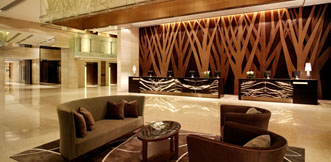
Hyatt Hotels & Resorts opened its first property, a small motor hotel at the Los Angeles International Airport, in 1957 and its portfolio quickly grew to include several other modest hotels along the West Coast and in Chicago over the next ten years. In 1967, Hyatt opened its first major John Portman designed hotel, Hyatt Regency Atlanta, in Georgia, which featured a space-age design with a dramatic, 21-story atrium lobby. The revolutionary architecture spawned scores of atrium lobbies around the world, effectively changing the course of the lodging industry and reshaping the Hyatt brand as an innovative and significant global hospitality leader.
By 1969, 13 Hyatt hotels were in operation throughout the United States. That same year, the company launched Hyatt Regency Hong Kong, establishing Hyatt International Corporation. Over the next ten years, the company's portfolio of hotels began to expand and diversify rapidly, and in 1980 the company introduced the Grand Hyatt and Park Hyatt brands, and also solidified its entry into the luxury resort market with the opening of Hyatt Regency Maui Resort & Spa in Hawaii.
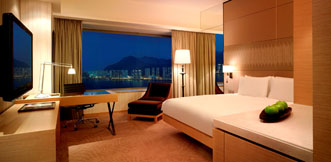
Today, Hyatt successfully distinguishes itself within the competitive hospitality marketplace with six different brands, each designed to deliver experiences attuned to the lifestyles, attitudes, values, and aspirations of the guests for whom it is designed. The 2007-launched Andaz brand is sophistication made simple delivered with a genuine warmth; Hyatt Regency enables productivity and revitalization within a responsive, convenient and contemporary environment; Park Hyatt, a discreet and refined collection located in fashionable cities around the world, epitomizes modern luxury; Grand Hyatt properties are some of the most architecturally dramatic hotels in the world, offering stunning design and a myriad of innovative food and beverage concepts; Hyatt Place is designed for the 24/7 lifestyle of today's multi-tasking business traveler, and Hyatt Summerfield Suites, a reinvention of the all-suites, extended-stay hotel, features timely amenities and inviting, residential design.
As a unified portfolio, Hyatt's properties share core values across the Hyatt brand: exceptional guest service, upscale amenities, popular food and beverage programs, and innovative interior designs that incorporate local art and style. Currently offering travelers a choice of more than 365 hotels and resorts in over 45 countries, Global Hyatt Corporation continues to build on its commitment to clients, staff, partners and the environment as it grows its dynamic vision for the future of hospitality.

The information presented may have changed since first published. We recommend that you always verify fees, investment amounts and offers with the business opportunity directly prior to making a decision to invest.
1. What training and ongoing support do you provide?
You want to know what happens after you pay the initial fee. A strong franchisor provides comprehensive pre-opening training, site-selection help, operational playbooks, and continuous assistance with marketing, technology, and supply chains.
2. What is the total initial investment, and did actual startup costs match the estimates in Item 7 of the FDD?
The Franchise Disclosure Document (FDD) lists estimated startup costs in Item 7, but real-world expenses can run higher. Asking how closely current owners tracked to these estimates reveals if you need extra working capital or if hidden fees exist.
3. How do royalties and local/national marketing fees impact profitability?
You need to understand ongoing financial obligations-such as monthly royalty percentages and ad fund contributions-and evaluate whether the brand value and support justify cutting into your profit margins.
4. What are the common challenges new franchisees face, and how do you help them overcome them?
Transparent franchisors will openly discuss real hurdles like local competition, tight labor markets, or supply chain bottlenecks, and show you the exact playbook or field support they offer to solve them as well as allowing you to speak with other franchisees.
5. How many franchise locations have closed or left the system in the past few years, and why?
High turnover, store closures, or quiet franchise exits are major red flags. This question measures system stability, territory health, and whether the corporate team addresses struggling owners or lets them fail.

 Franchise Categories